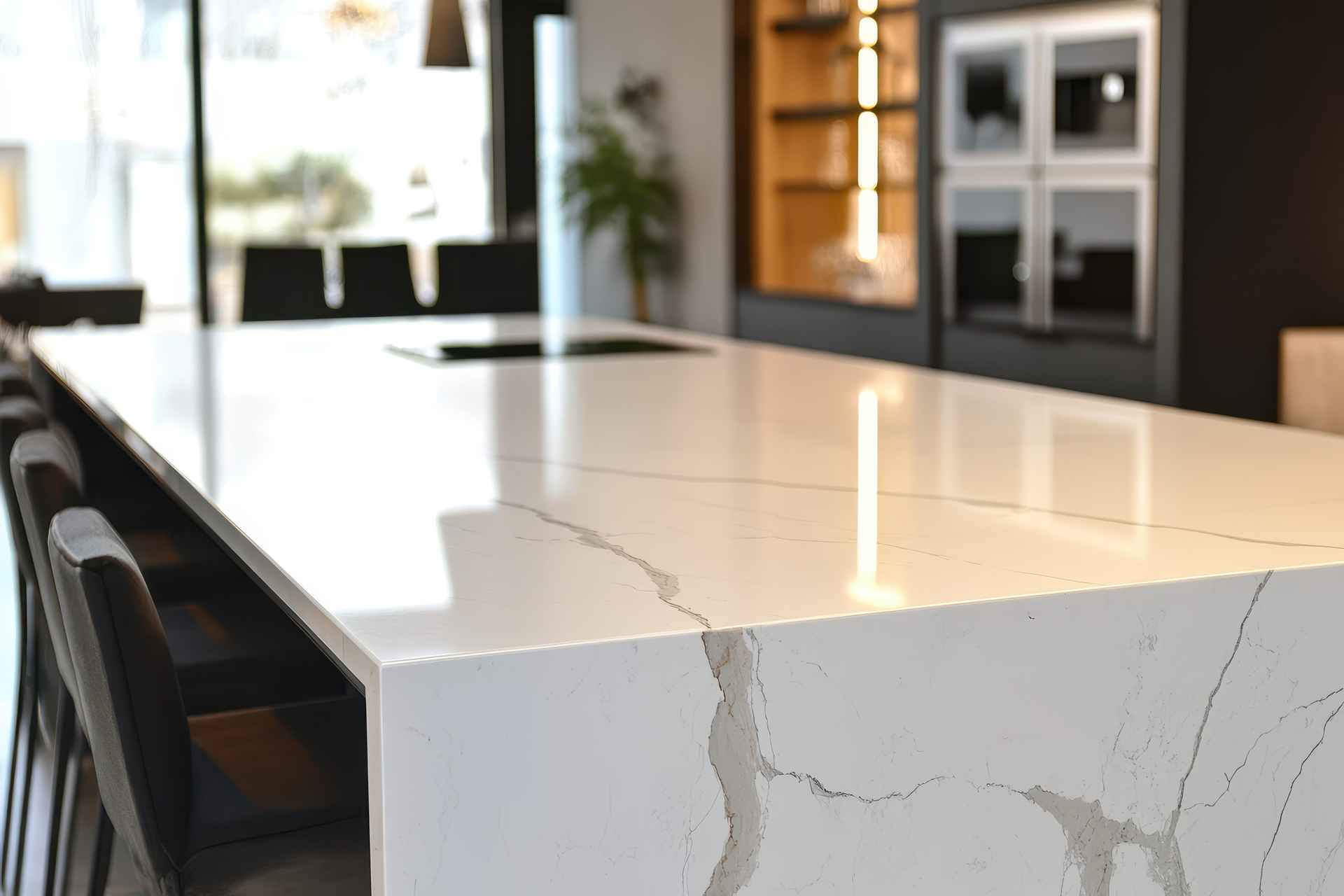
Ceramic Countertops — Dekton and Nuovo Corso, the New Generation of Stone
Ceramic is the most advanced countertop material: it takes a hot pan, sun and frost, and works in profiles as thin as 4 mm. For kitchens, fireplaces, façades and outdoor kitchens.
- 1250+ completed interiors
- We work with designers and architects
- English-speaking team, reply within 2 hours
Why ceramic is the most durable countertop material
Ceramic surfaces — also called sintered stone or porcelain slabs — are fired at extreme temperature and pressure: in hours, the process nature takes millennia to complete. The result is a material untouched by a hot pot, UV light, frost or scratches.
Ceramic is the only material in our range that performs equally reliably indoors and out. That’s why it’s chosen for outdoor kitchens, BBQ areas and façades — where other materials give in to the weather. Textures range from marble to concrete: aesthetics without compromise on practicality.
Book a showroom visitDekton and Nuovo Corso — two different characters
Dekton
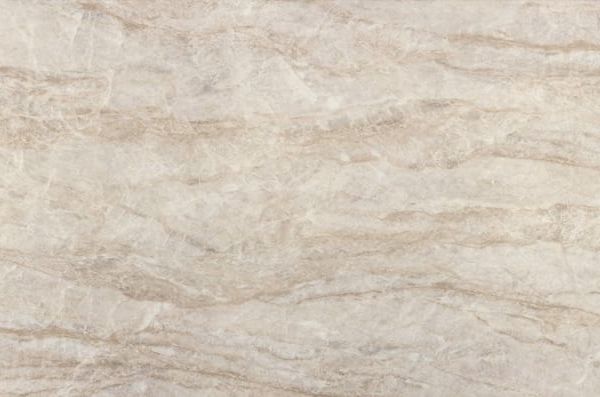
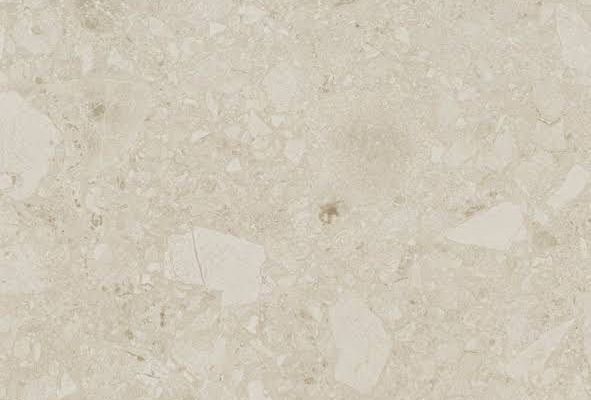
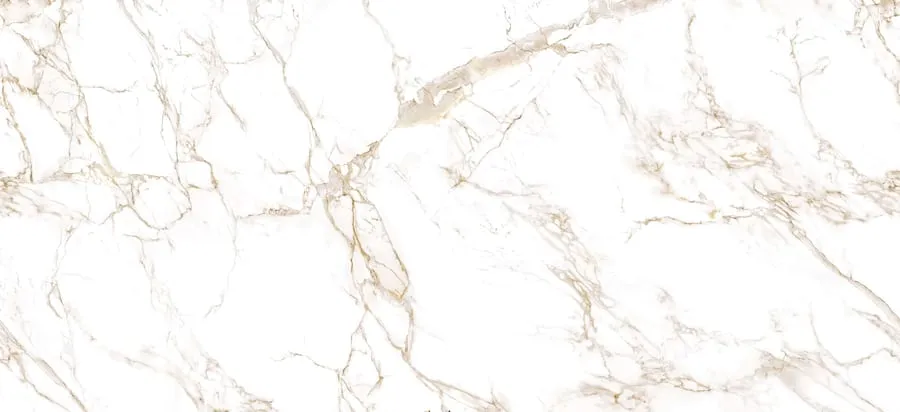
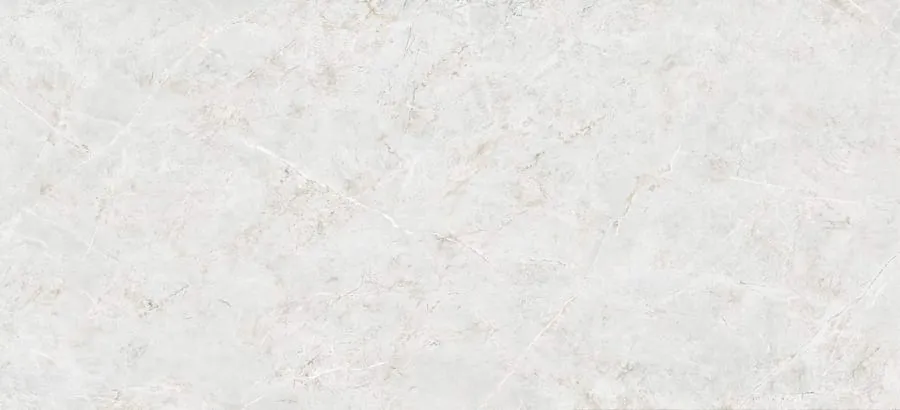
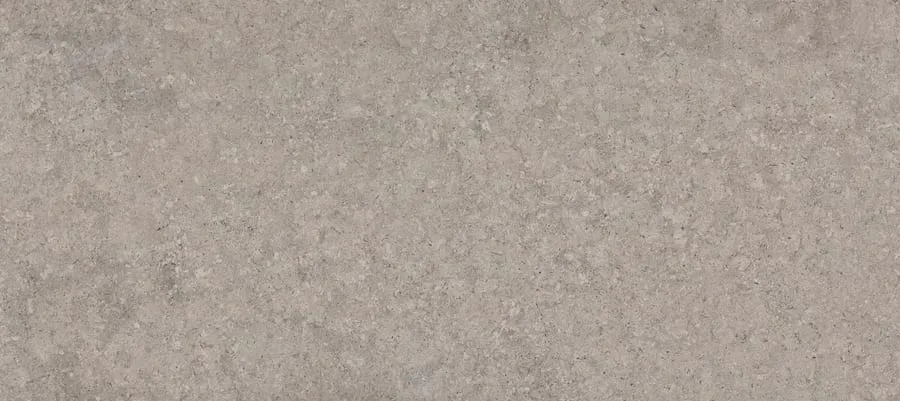
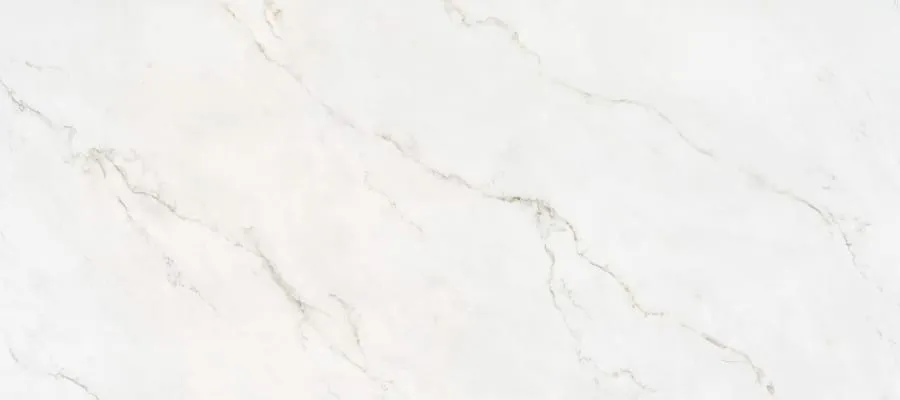
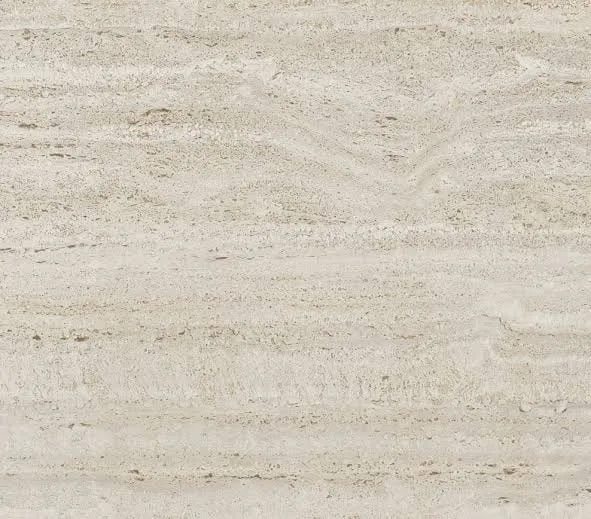
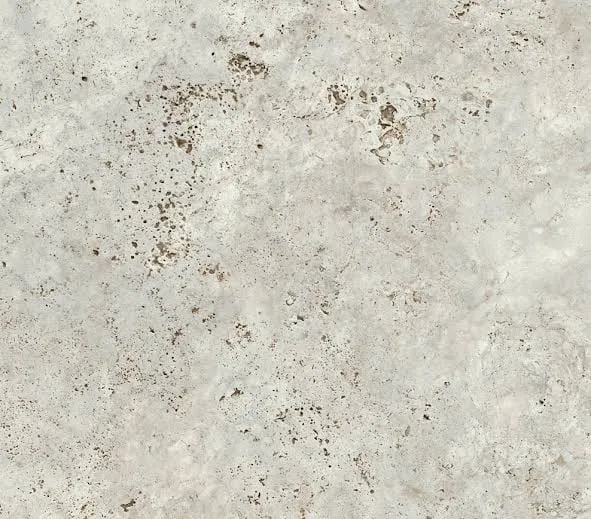
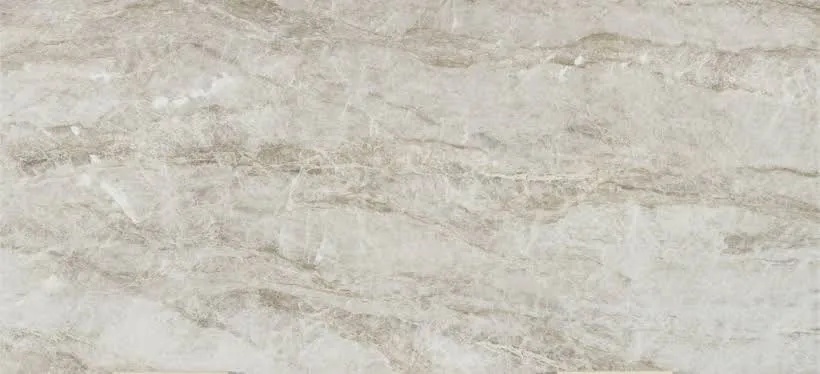
Dekton is a Spanish brand from Cosentino. An innovative ultracompact material that brings together advanced technology and the natural aesthetics of stone, setting a new standard for strength and durability in interiors and architecture. 19 decors in our range: from marble-effect Arga and Entzo to concrete-like Kreta and Nebbia. Matt and polished textures, thicknesses 12 and 20 mm. Thanks to its high heat and fire resistance, Dekton also suits fireplace surrounds where the solution meets the firebox manufacturer’s requirements.
Arga
Ava
Bergen
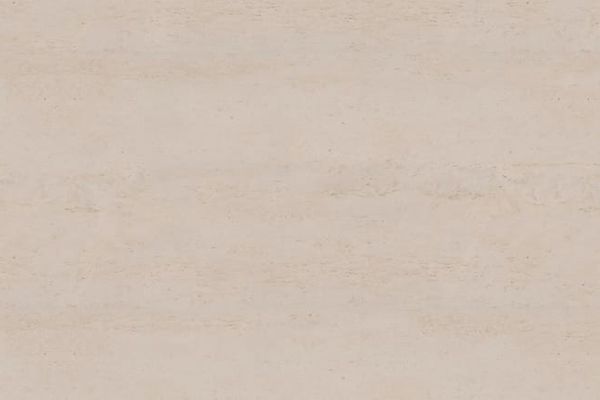
Danae
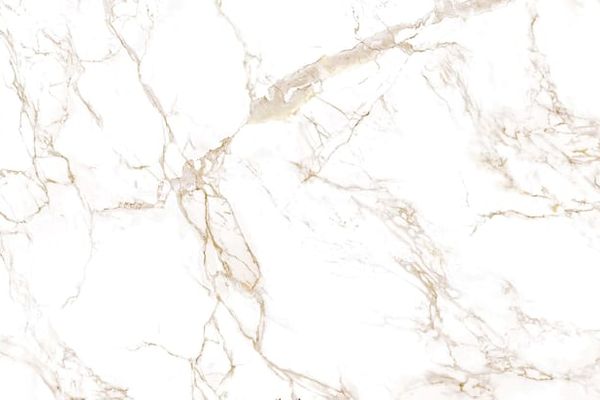
Entzo
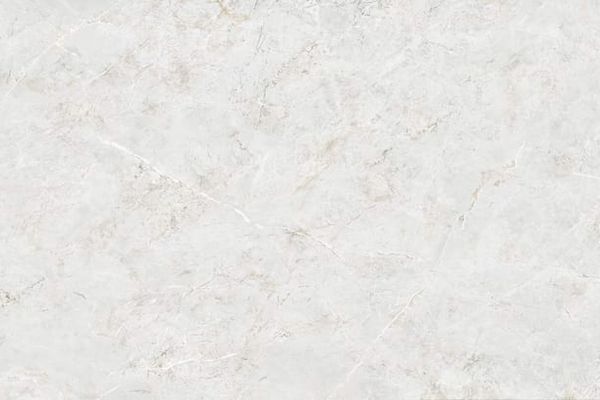
Evok
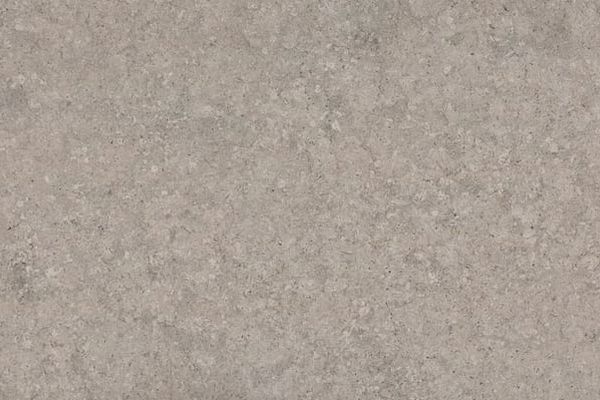
Grigio

Helena
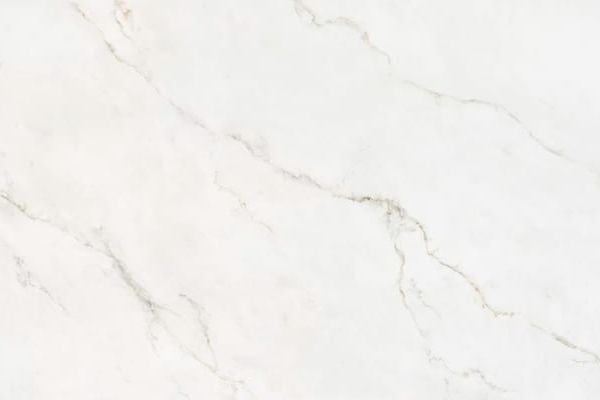
Keena
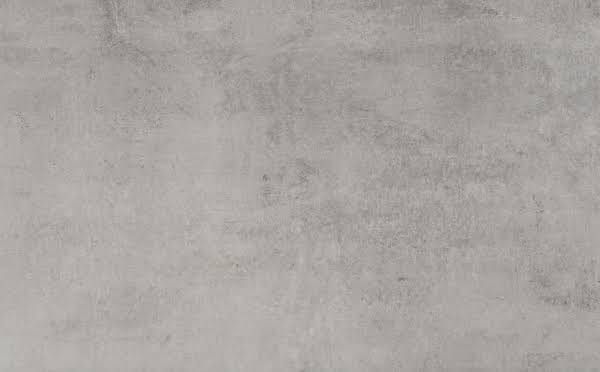
Kreta
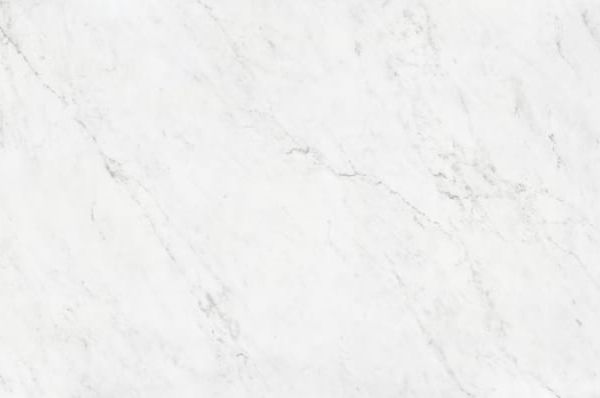
Marina
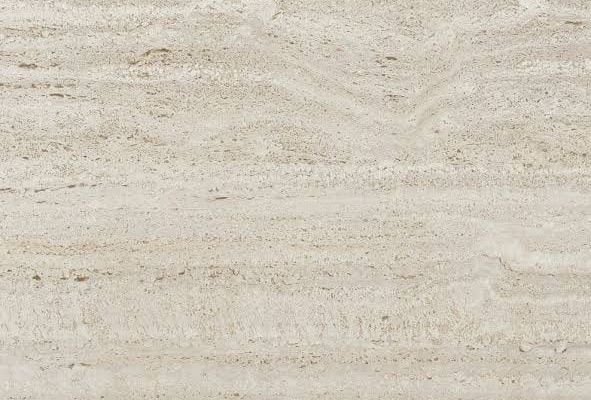
Marmorio
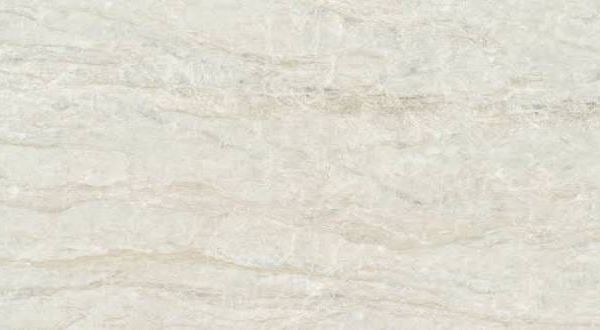
Nara

Nebbia
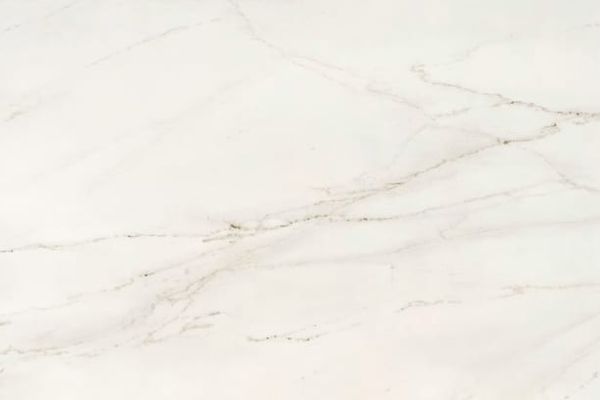
Rem
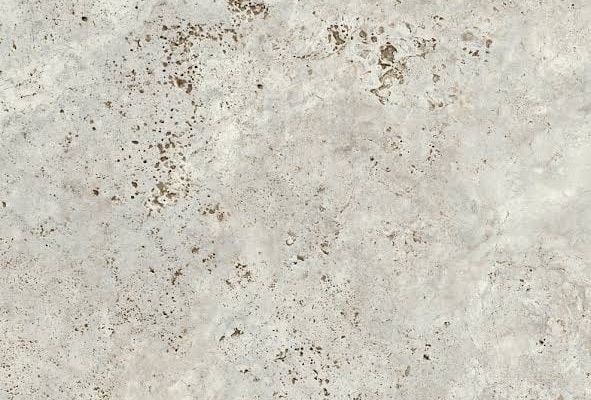
Sabia

Sandik
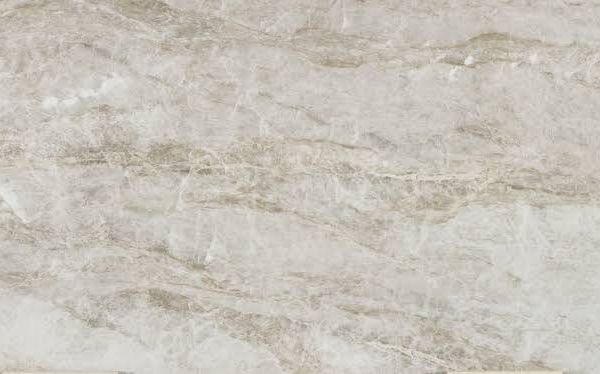
Taga
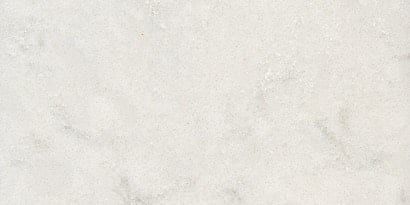
Thala
Nuovo Corso
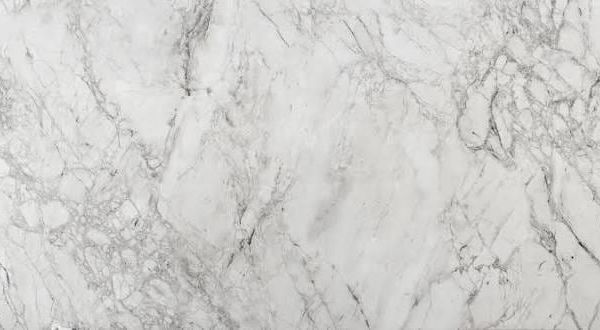
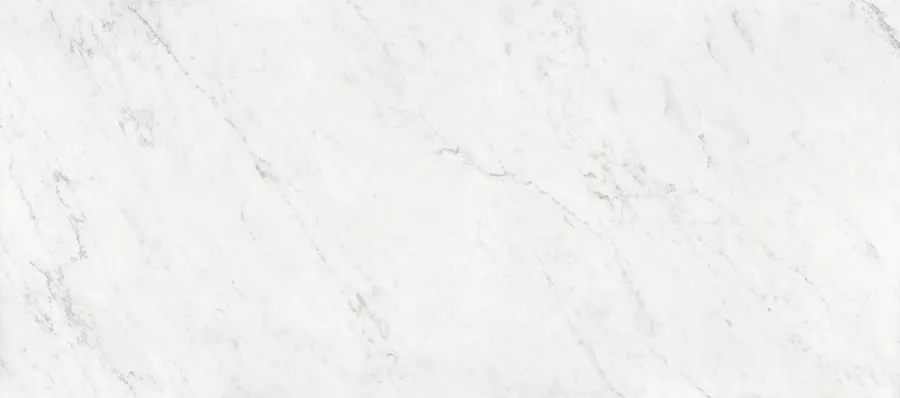
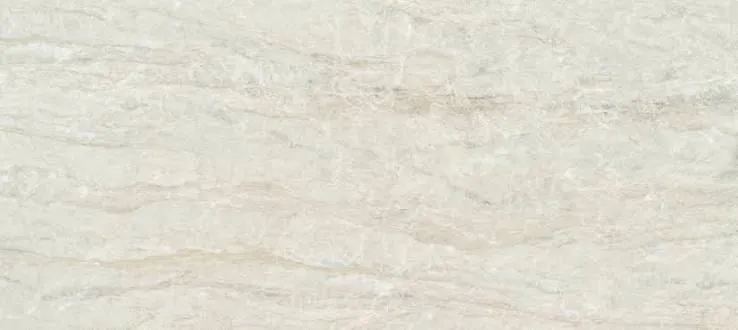
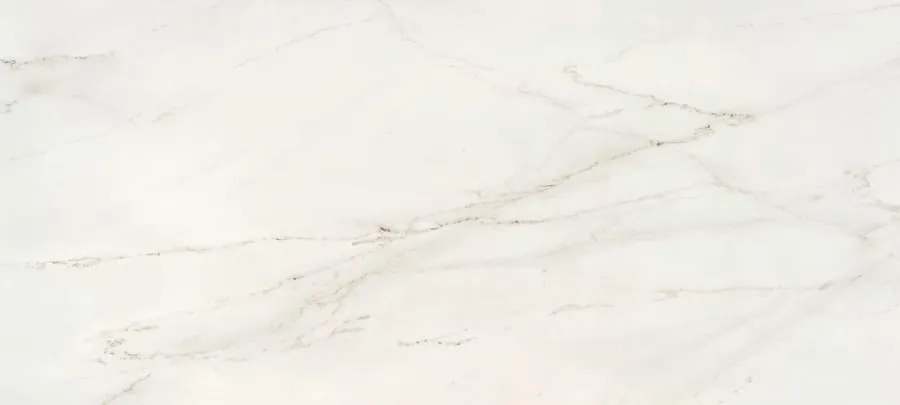
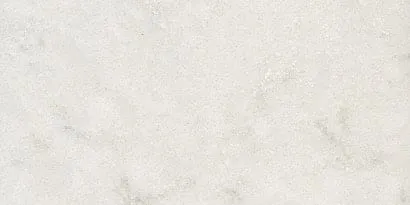
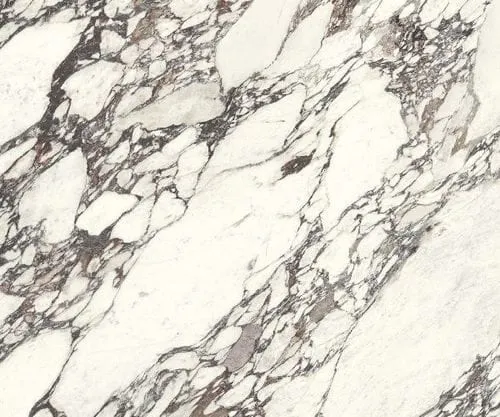
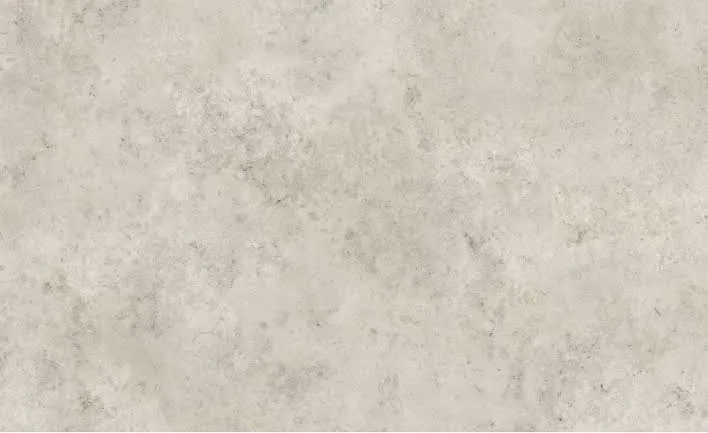
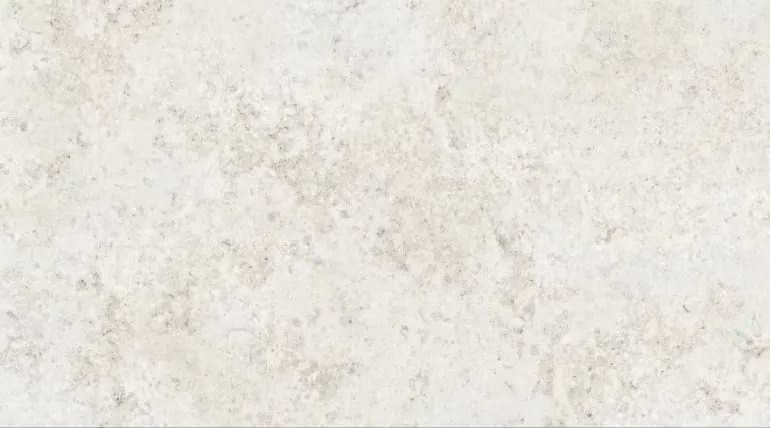
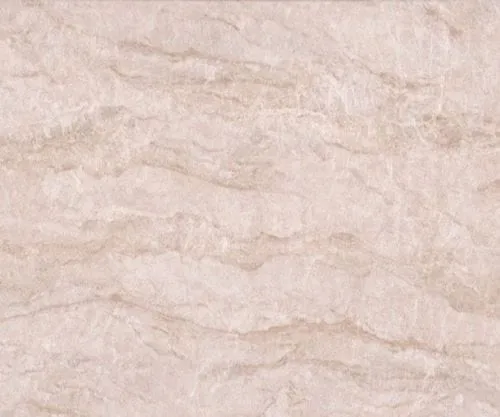
Nuovo Corso is a contemporary Italian brand of interior surfaces whose collections are inspired by natural stone. It stands out for its expressive design, up-to-date colour palette and variety of textures: Arabescato Viola, Taj Mahal, Jura White. Thin slabs 12 and 20 mm. One of our fireplace surrounds was made from Nuovo Corso Light Red Calacatta — see the portfolio.
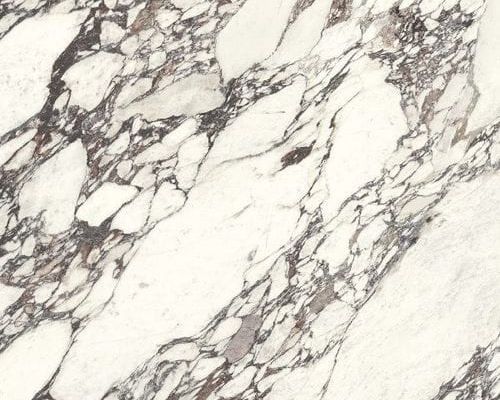
Arabescato Viola
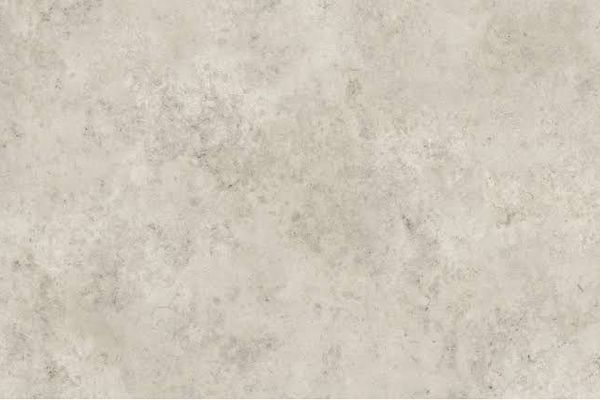
Jura Beige
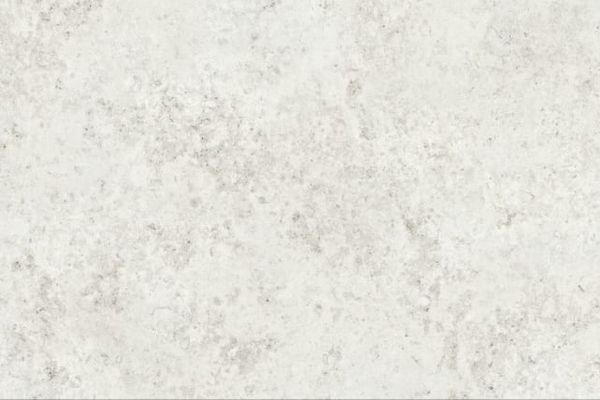
Jura White
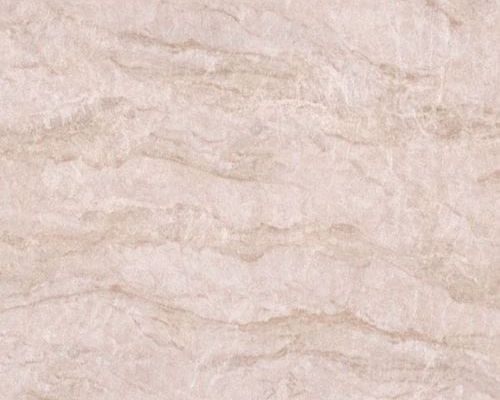
Makrana

Taj Mahal
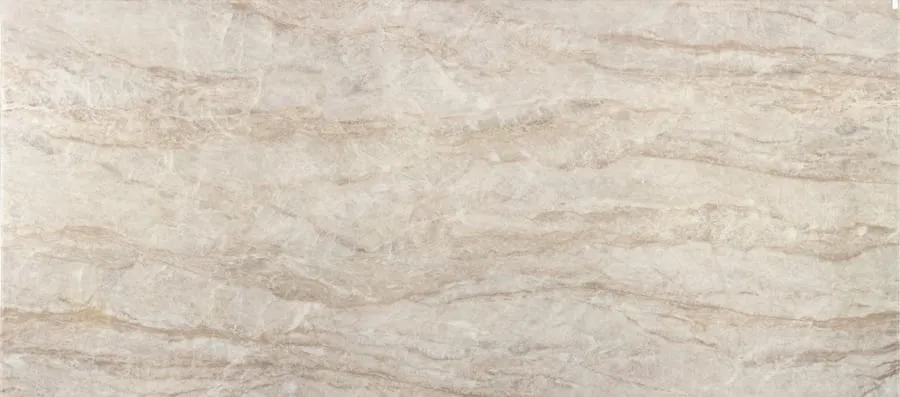
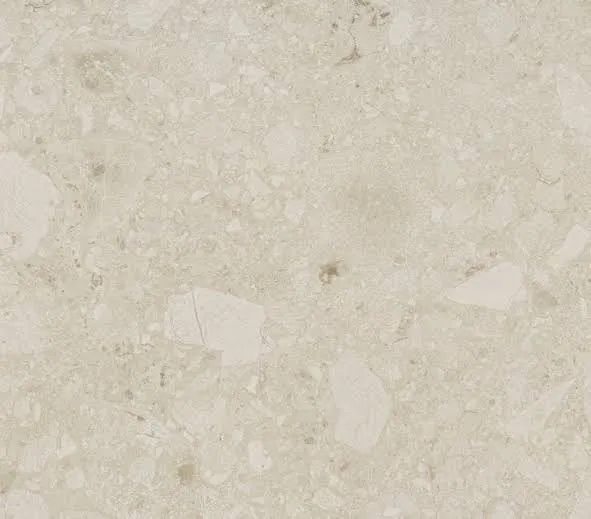
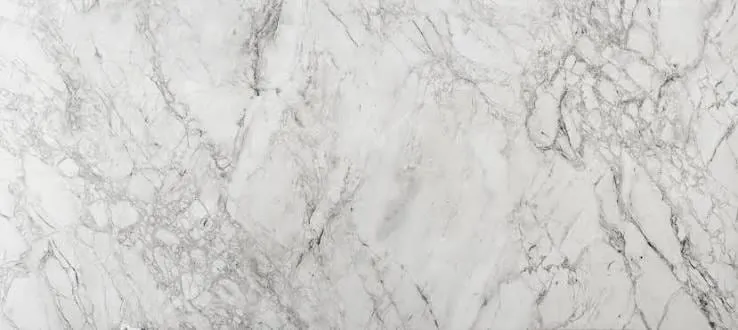






Ceramic indoors and out
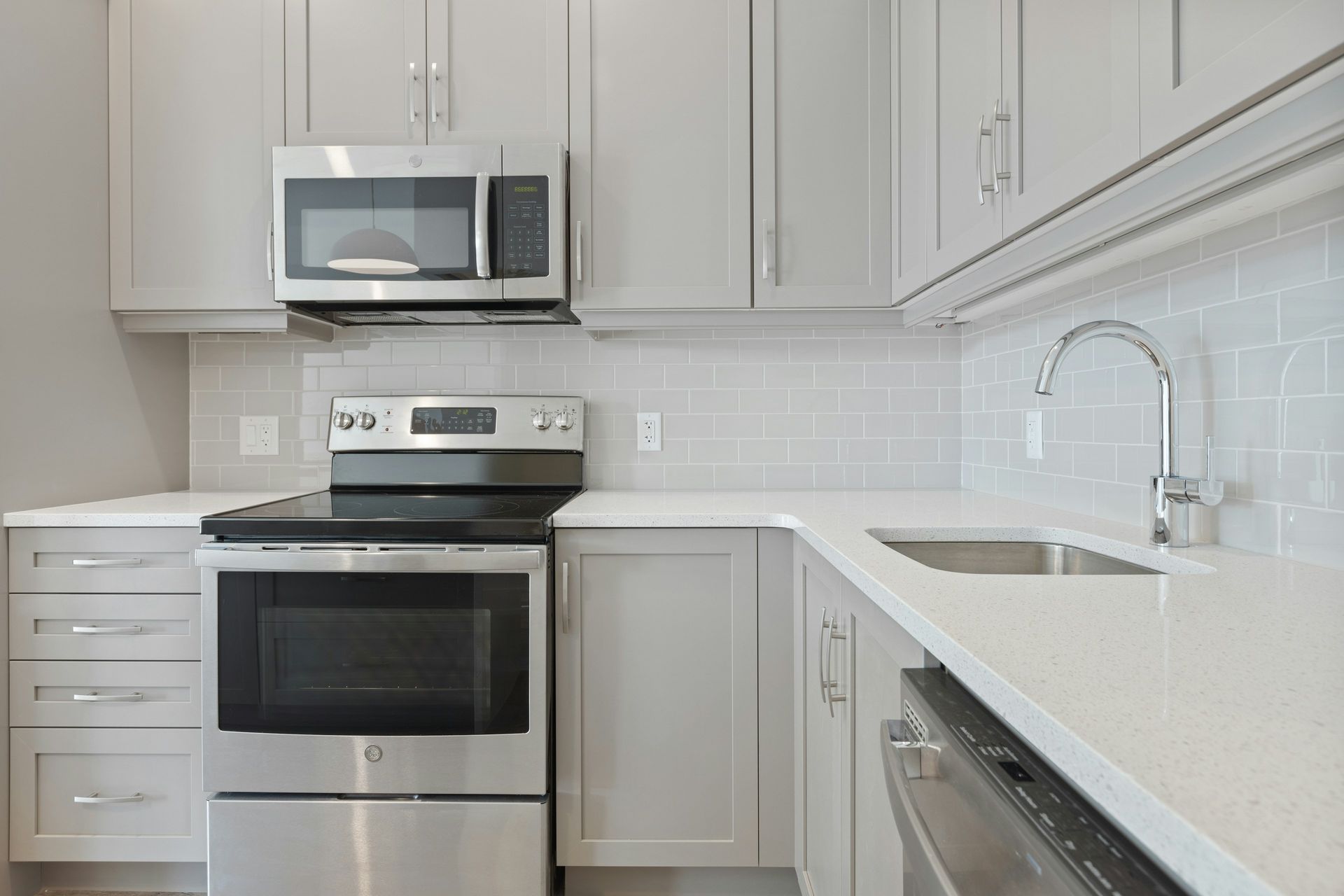
Kitchen
Thin-profile countertops, backsplashes, integrated solutions.
Outdoor kitchen and BBQ area
The only material that frost, rain and sun can’t harm all year round.
Fireplaces
Total heat resistance — seamless surfaces around the firebox.
Façades and terraces
Large-format slabs for exterior cladding — no fading for decades.
Caring for a ceramic surface
The least demanding material: it doesn’t absorb liquids, isn’t afraid of household chemicals and needs no sealing. A damp cloth is enough. A trivet isn’t formally required, but we recommend one on any surface — careful use keeps a flawless look longer.
Or book a showroom visit
Frequently asked questions about ceramic countertops
Can’t find what you’re looking for? Get in touch here:
info@granisten.eeHow is Dekton different from ordinary ceramic?
Dekton is an ultra-compact surface: raw materials of glass, porcelain and quartz, sintered under ultra-high pressure. It is denser and more stable than ordinary ceramic and available in large formats. Nuovo Corso is premium ceramic with natural-stone aesthetics.
Ceramic or quartz — which to choose?
Ceramic wins on heat resistance and works outdoors; quartz is softer to the touch and more affordable in the mid range. For an intensive cook’s kitchen or outdoor kitchen — ceramic; for a classic kitchen or bathroom, quartz is often enough.
Can ceramic be used outdoors?
Yes — that’s its main advantage: outdoor kitchens, BBQ areas, terraces, façades. It doesn’t fade and isn’t afraid of cold.
Is thin ceramic fragile?
A 12 mm slab is pressure- and wear-resistant, but requires professional installation — point impacts on the edge are dangerous for any stone. We reinforce and install to the manufacturer’s specifications.
How much does a ceramic countertop cost?
It depends on the brand, decor, thickness and finish. Send a floor plan or photo — precise quote within 2 hours, free of charge.
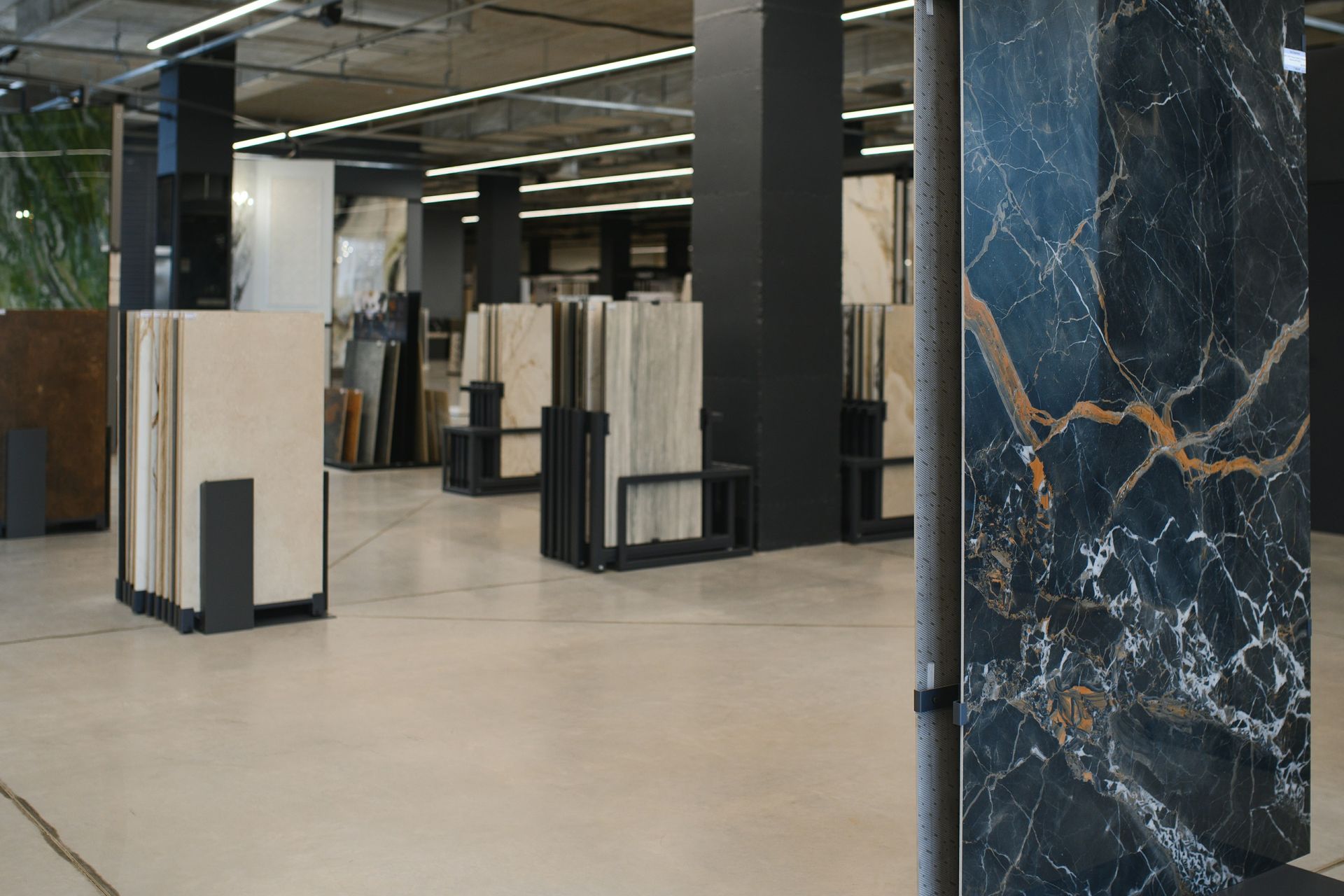
Touch ceramic for real
Ceramic texture has to be touched: matt Dekton and polished Nuovo Corso feel completely different in the hand. Visit our showroom in Tallinn — or send a photo of the room and we’ll suggest decors with a price within 2 hours.
Or book a showroom visit